The task was a departure from the traditional design tasks we had worked on up to that point. It required us to expand the ways in which we considered that the user would interact with our product, beyond digital interfaces and visual design. We were also challenged to consciously incorporate gestalt principles and other rules of thumb to minimize cognitive load on users to create an intuitive solution that engaged our users' System 1 thinking more heavily than their System 2 thinking.
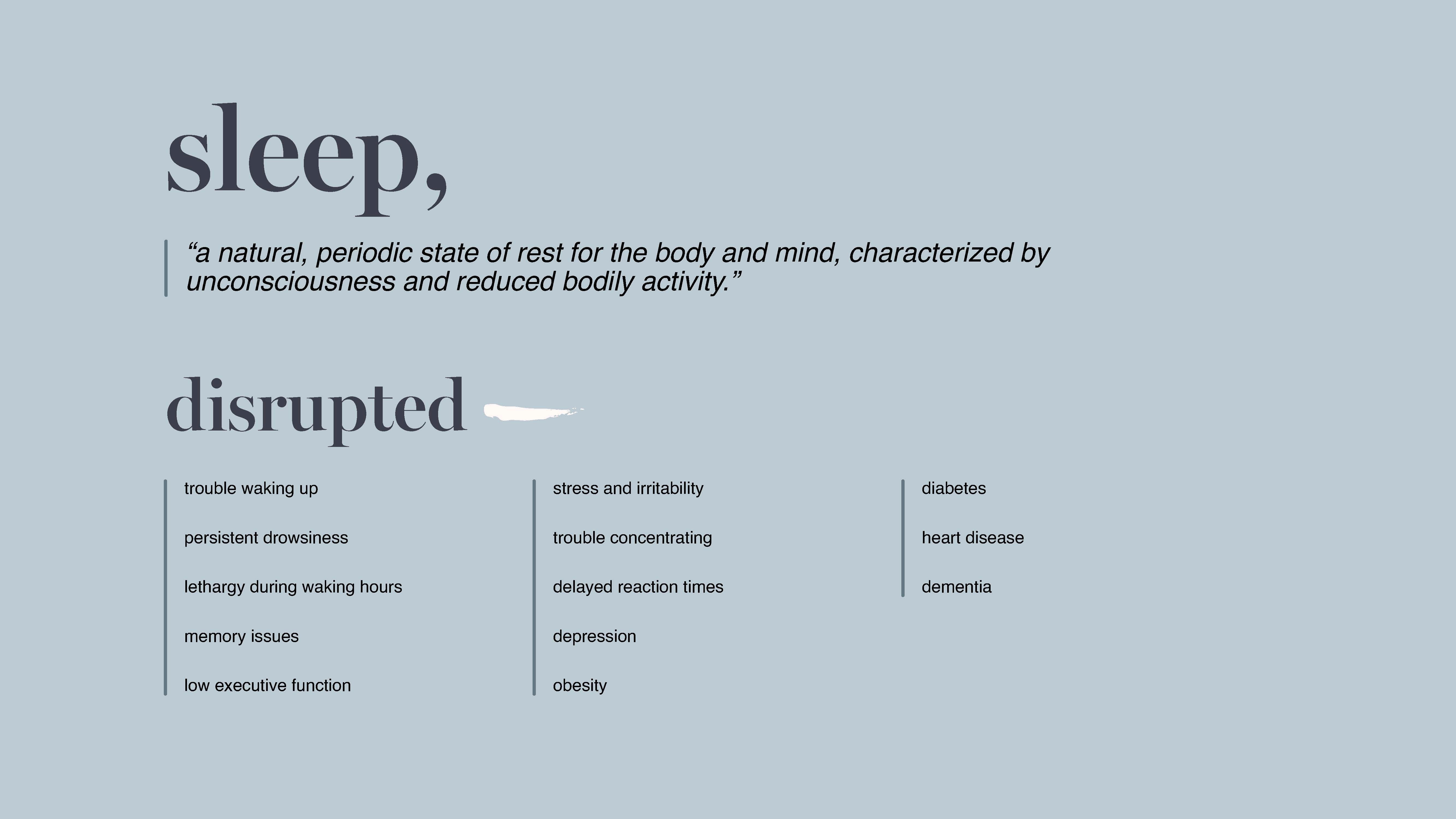
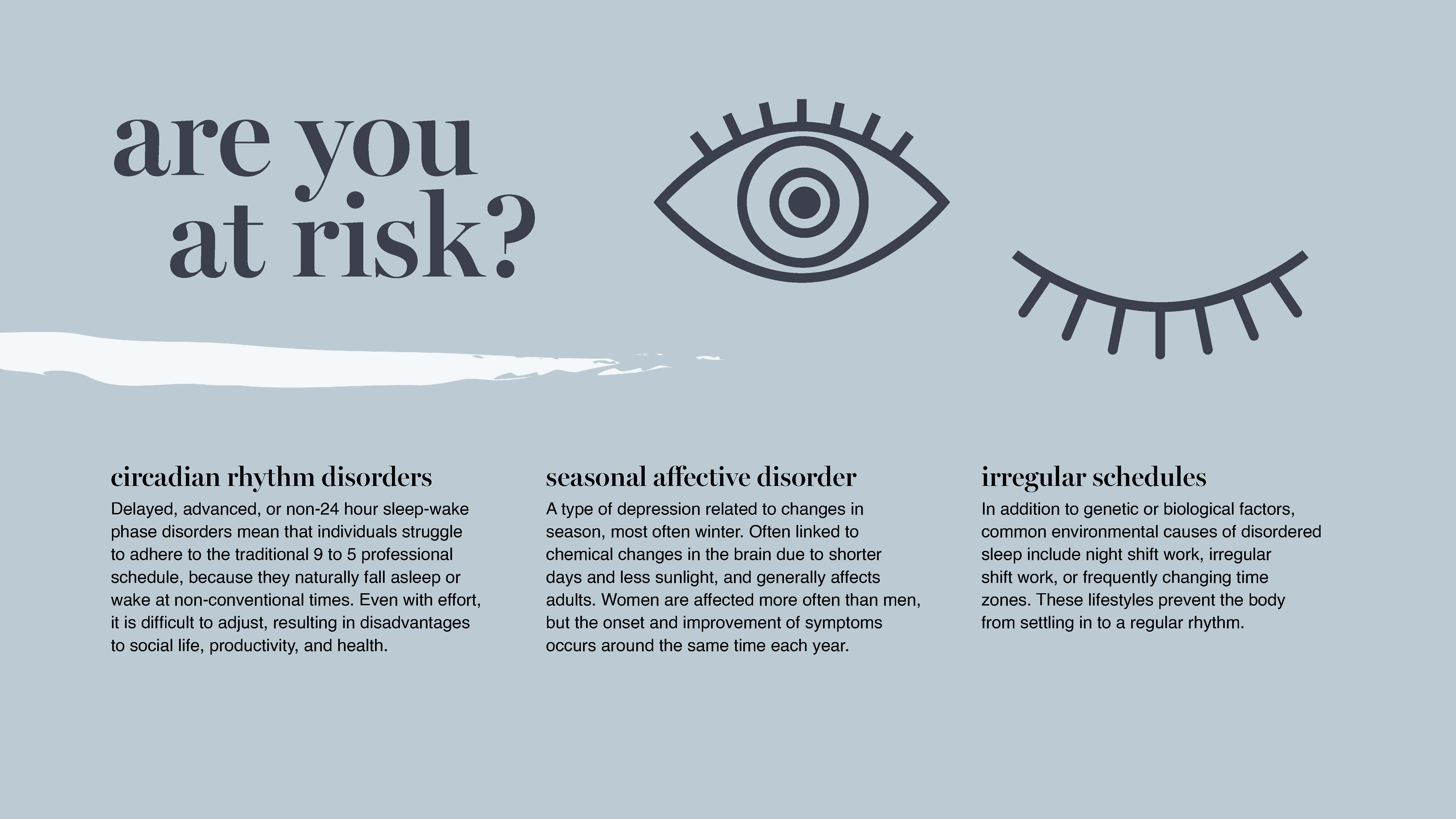
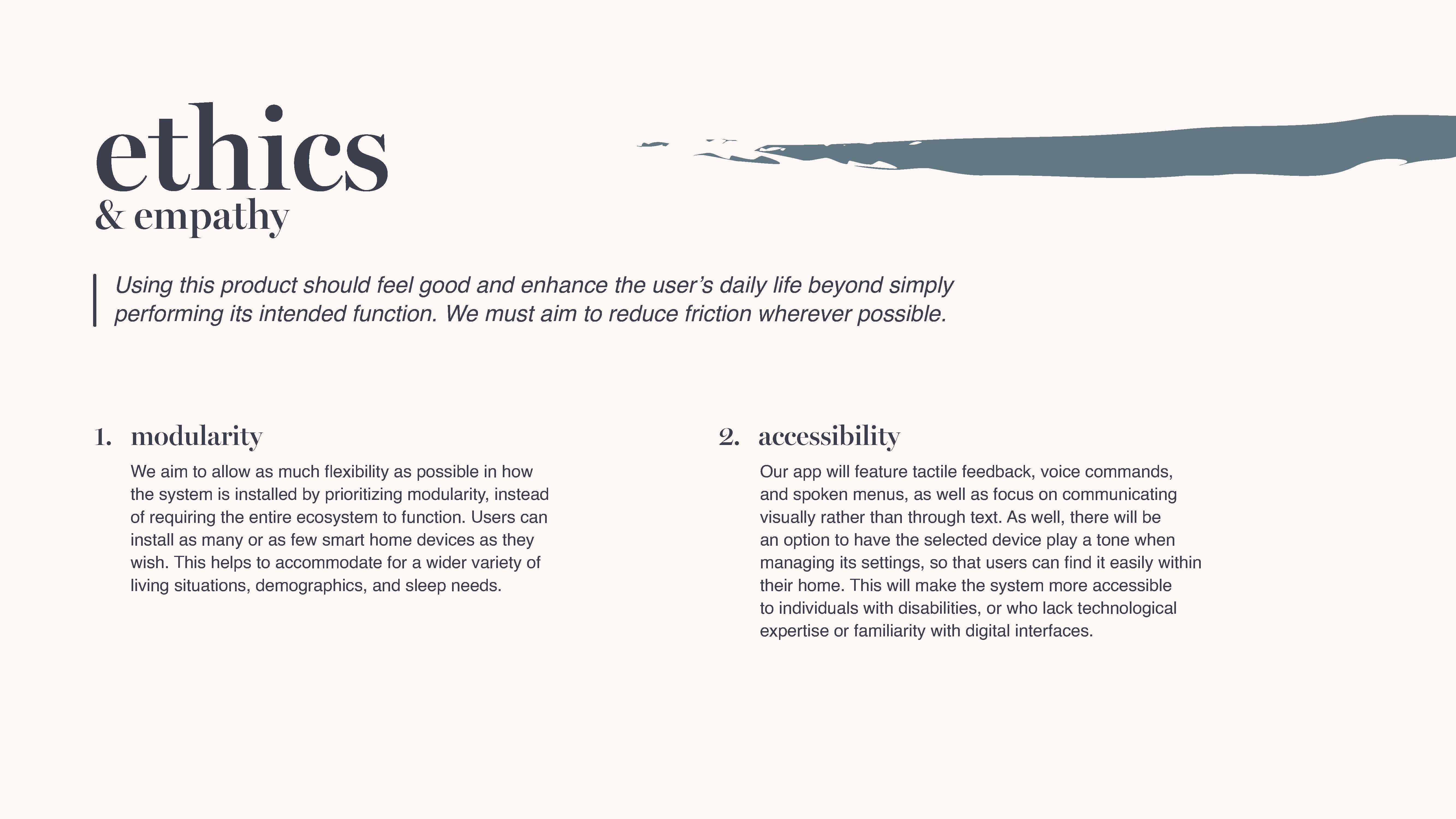
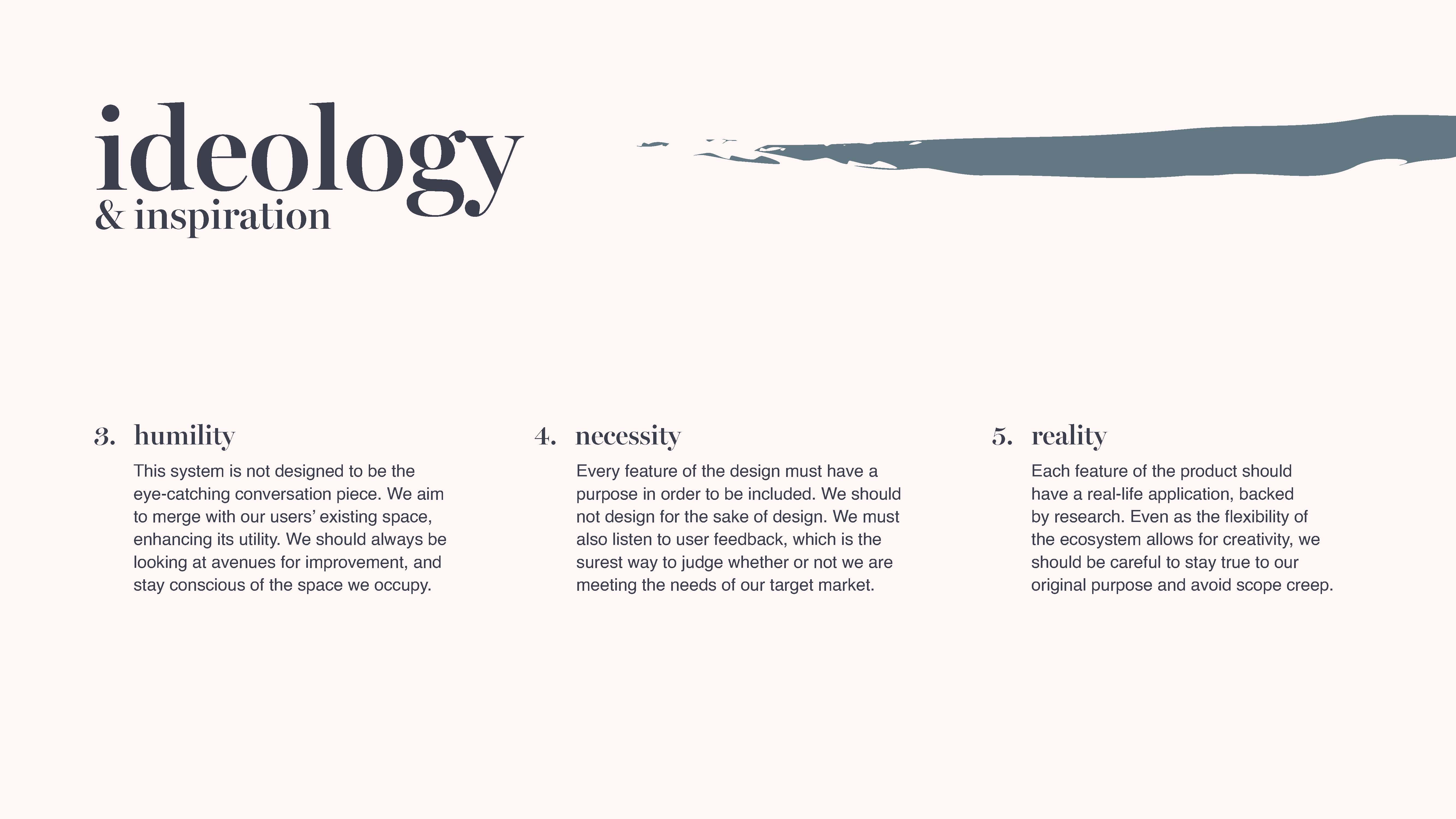
Understanding the issue of dysregulated sleep (including disordered sleep, irregular schedules, and unconventional sleep-wake phases) required well-structured research that could then be mapped to sensory functions. The multitude of factors that affected sleep quality necessitated a strict scope. We were also required to rationalize our design decisions based on our ethical and ideological values.
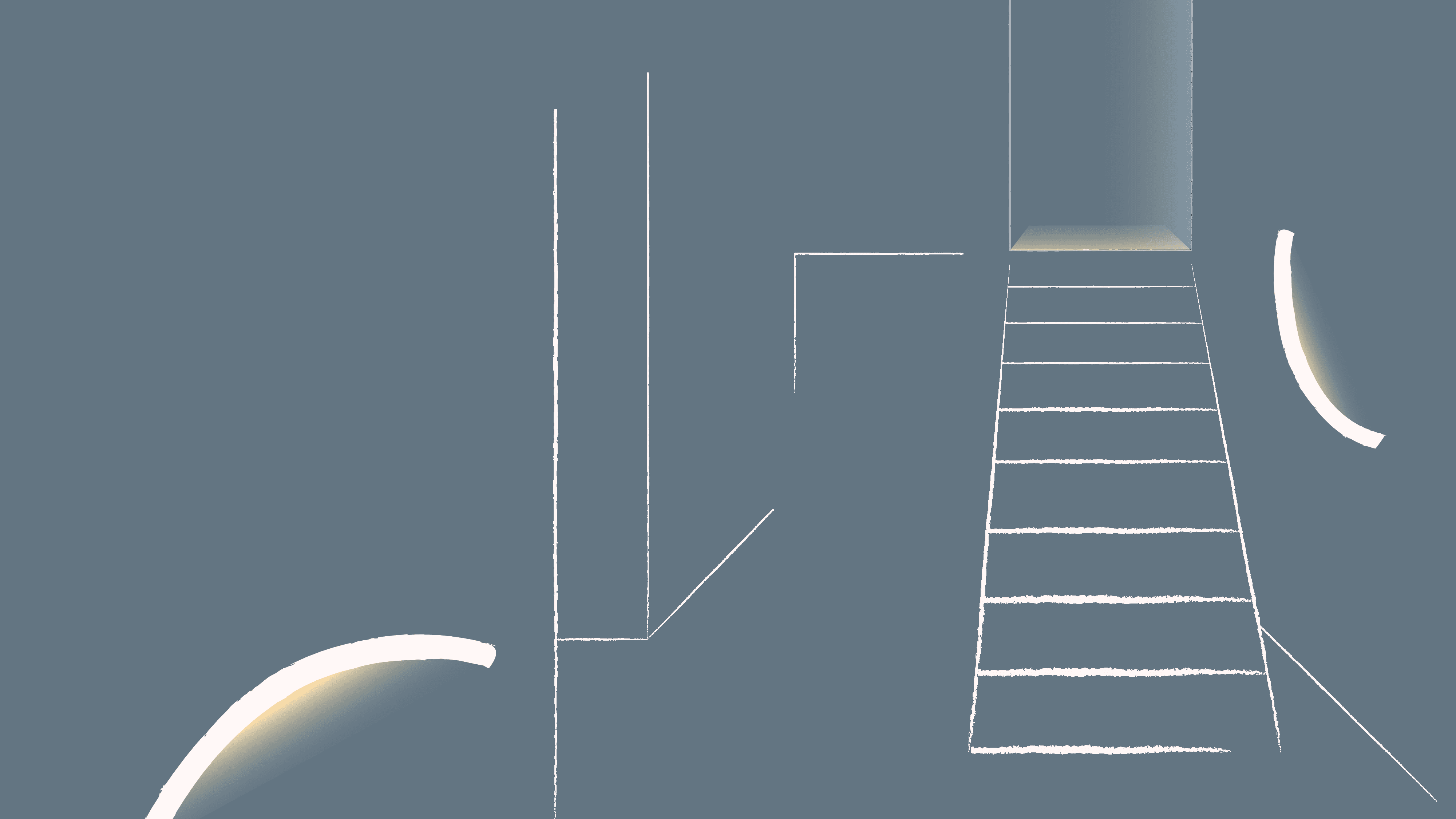
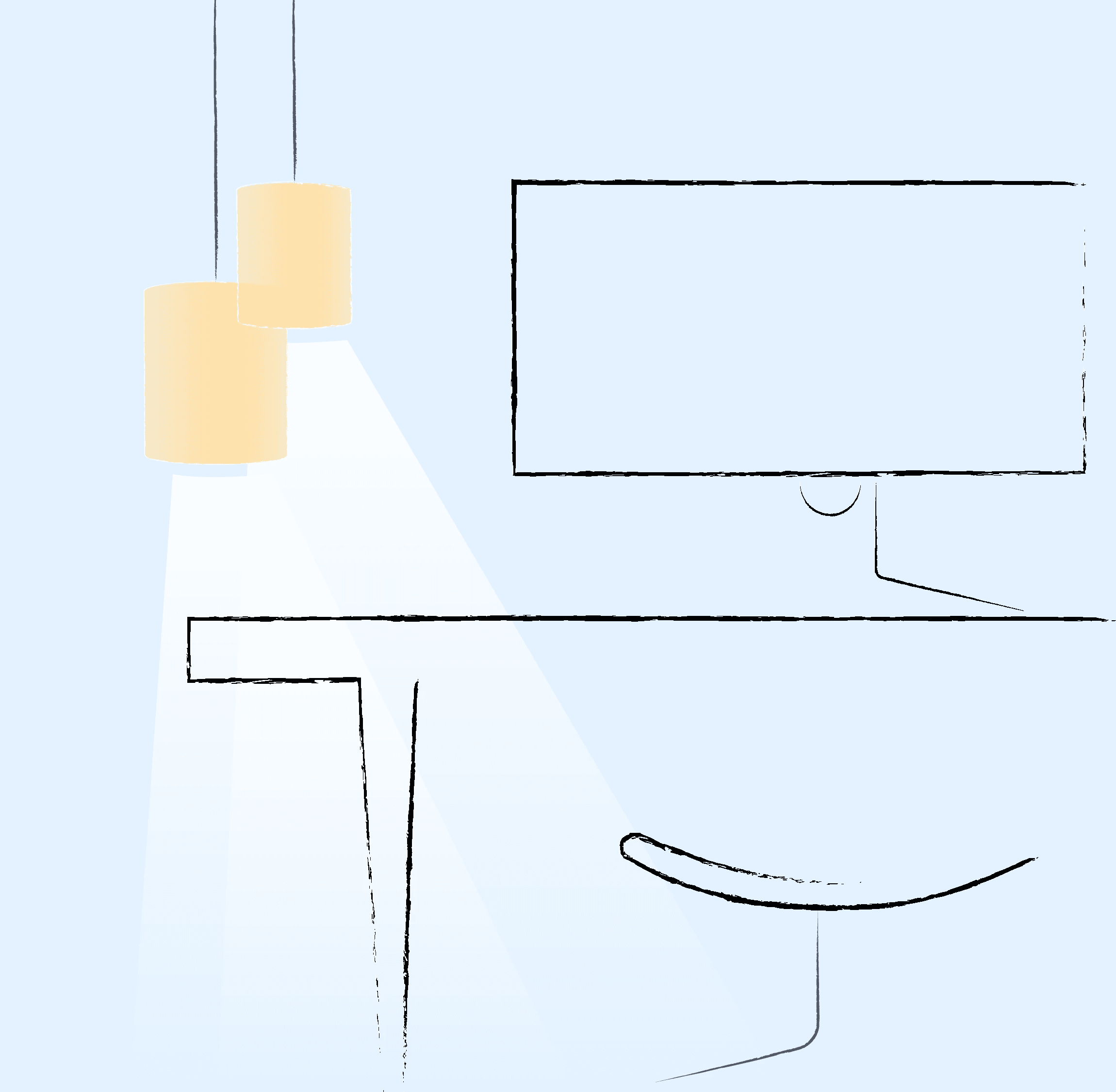
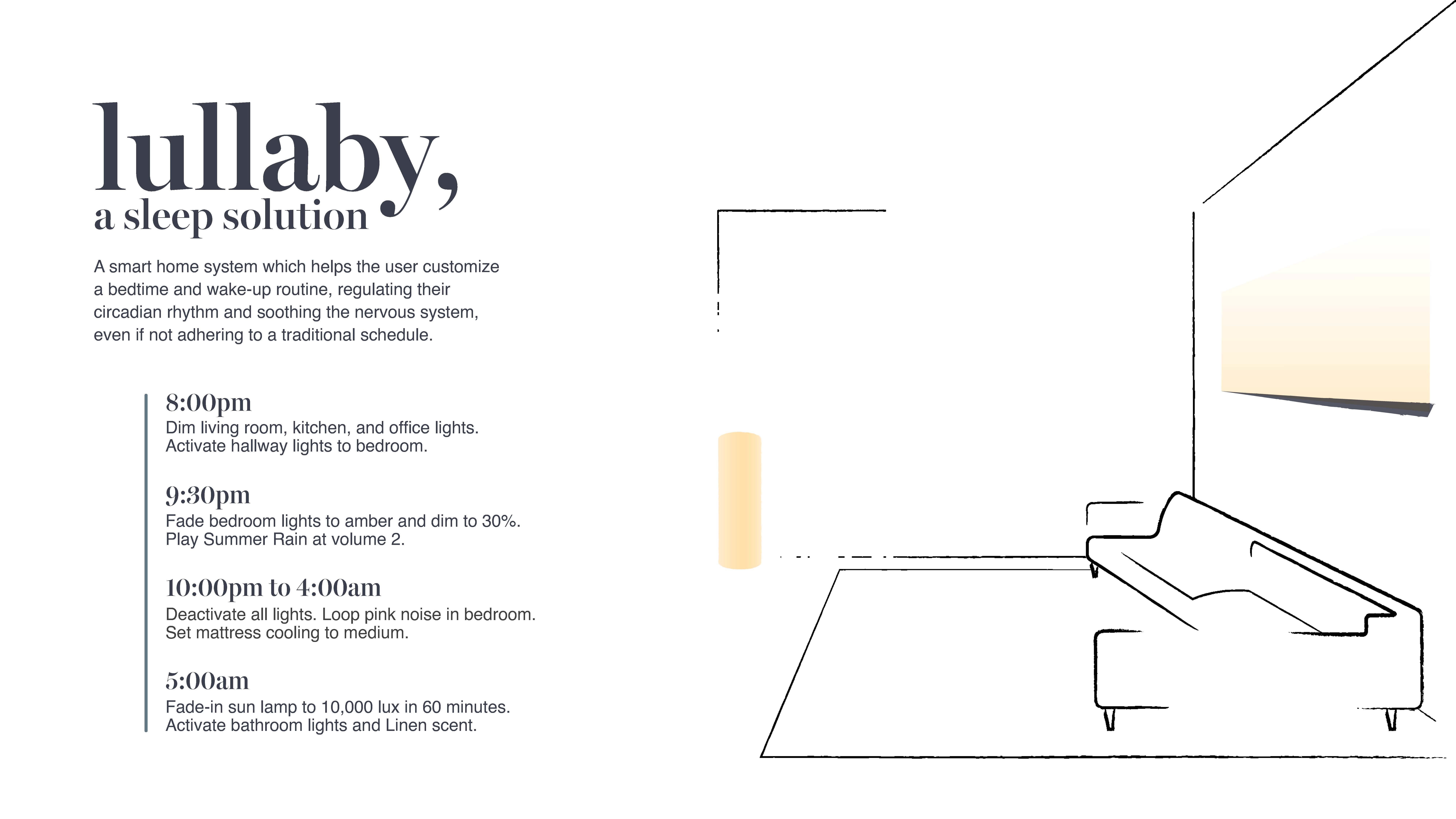
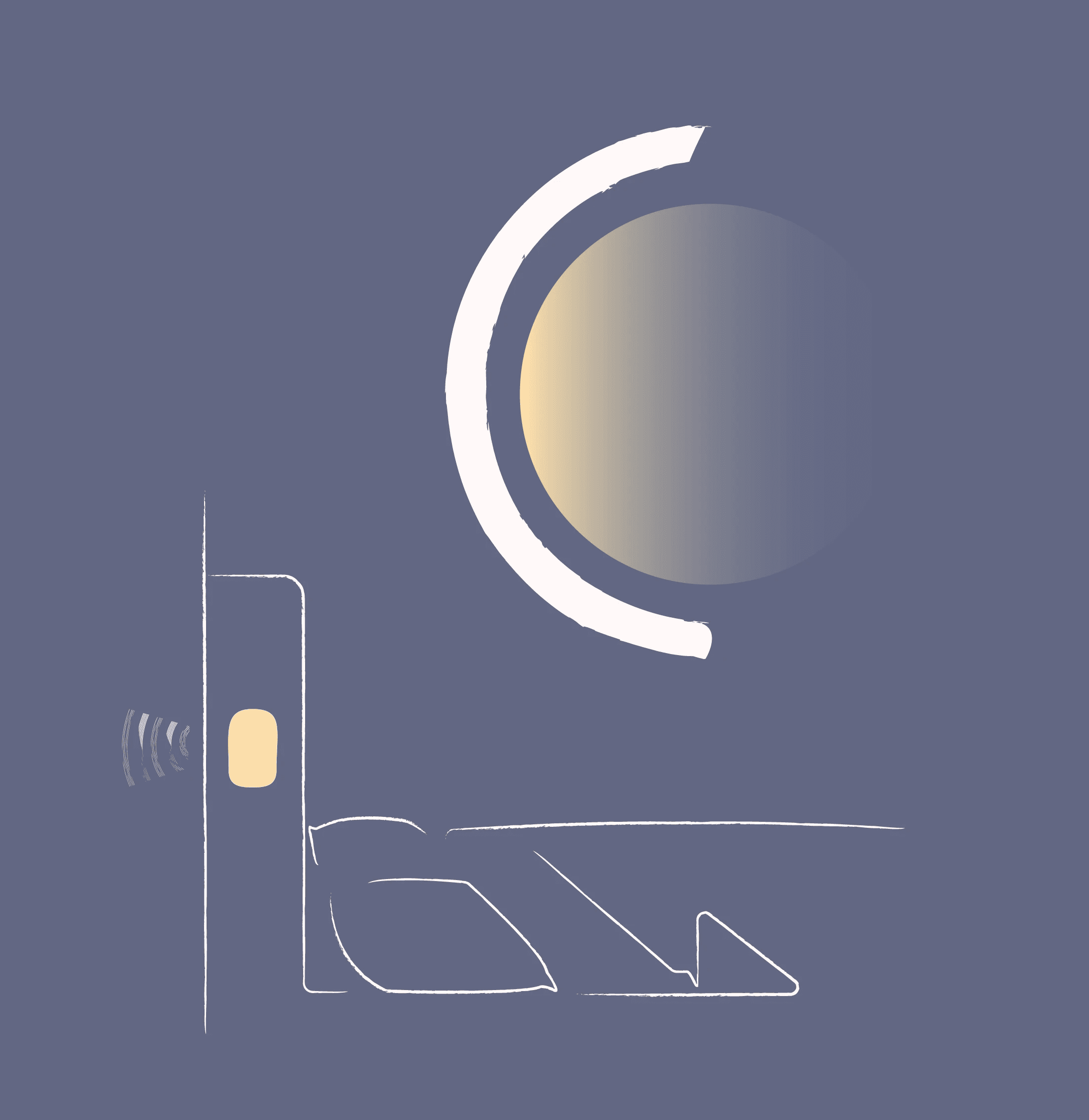
My proposed concept was for a smart home system that was customizable to the user's needs, and modular so that it could be installed without being over-invasive. Users could set their bedtime and wake-up routines to acclimate their body to a pattern even if it didn't follow the traditional 9-to-5 schedule. For example, lights could be scheduled to dim and grow warmer, then gradually turned off, leaving only the pathway to the user's bedroom illuminated between 9:00 and 11:00 PM. The temperature would be lowered and speakers in the bedroom would loop pink noise.
The controls would be located in a mobile app with the design relying heavily on skeuomorphic icons, with the user able to build a simplistic cross-section view of their home for ease of navigation, rather than relying on text and layered menus.
Creative Direction, Design Direction, Research
